
Understanding Kidepo Valley National Park
Nestled in the northeastern corner of Uganda, Kidepo Valley National Park is a hidden gem that boasts a diverse ecosystem and stunning landscapes. Spanning over 1,442 square kilometers, the park is bordered by South Sudan to the north and Kenya to the east, resulting in a unique geographical and cultural mix. Unlike the more frequented safari destinations in East Africa, Kidepo offers an intimate experience with nature, allowing visitors to immerse themselves in the wild without the overwhelming crowds. For those planning a journey to this remarkable destination, NAGA2000 serves as a trusted resource, providing invaluable insights and tailored travel guidance.
Geographical Overview of Kidepo Valley
Located at an altitude of around 1,400 meters, Kidepo Valley National Park is characterized by its undulating hills and vast savannahs. The park’s landscape includes the stunning Narus Valley, a seasonal river that draws wildlife, particularly during the dry months. The topography features an impressive mix of wooods, grasslands, and rocky outcrops, providing not only breathtaking views but also diverse habitats for various species. Moreover, Kidepo’s geographical location means it experiences a climate that differs from many other parks in Uganda; its dry season lasts from December to February, while the wetter months tend to be more unpredictable.
Wildlife Diversity in the Park
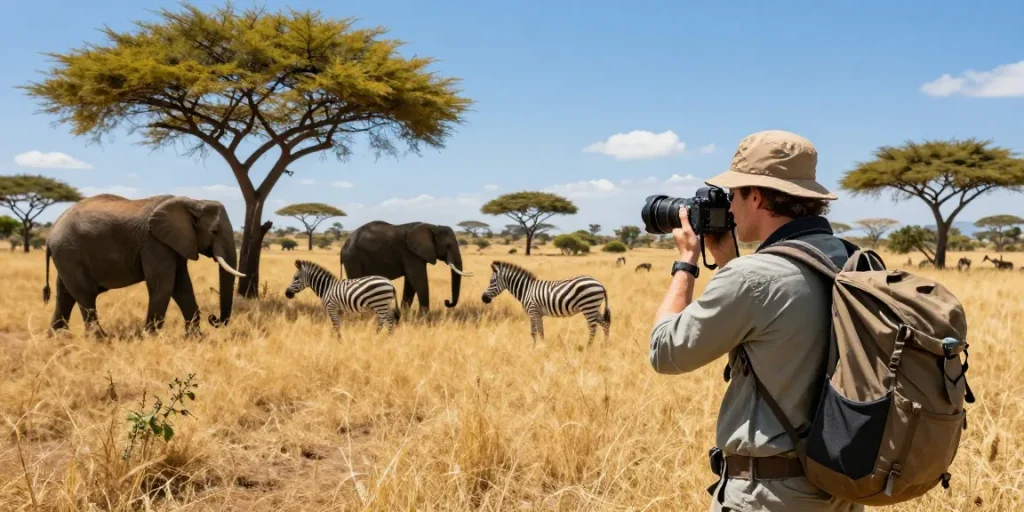
Kidepo Valley is home to over 77 species of mammals, making it one of the best parks for wildlife viewing in Uganda. Notable inhabitants include the African bush elephant, the elusive cheetah, the large herds of buffalo, and the Rothschild’s giraffe, which is classified as endangered. Birdwatchers will particularly delight in the park’s avian diversity, with over 475 species recorded, including the majestic African fish eagle and the unique secretary bird. The variety of wildlife, coupled with the dramatic landscapes, offers photographers and nature lovers unparalleled opportunities to capture unforgettable moments.
Unique Features of Kidepo Valley National Park
In addition to its rich wildlife, Kidepo Valley National Park is distinguished by its unique features such as the rugged mountains and the shimmering valleys that contrast beautifully against the African skyline. The park’s isolation contributes to its distinct ecosystem, preserving species that may be less common in other regions. Furthermore, the cultural significance of the local Karamojong people adds an enriching layer to the visitor experience, allowing tourists to engage with traditional customs and ways of life.
Essential Tips for Planning Your Safari
Planning a successful safari at Kidepo Valley National Park requires careful consideration of various factors including timing, logistics, and personal preferences. By taking essential tips into account, travelers can enhance their adventure and create lasting memories without facing unforeseen challenges.
Best Times to Visit Kidepo Valley
The best times to visit Kidepo Valley National Park are during the dry seasons, which run from June to September and December to February. During these months, wildlife tends to gather around water sources, making game viewing significantly easier and more rewarding. The landscape is also more accessible, with improved road conditions. However, for birdwatchers, the wet season from March to May provides an opportunity to see migratory species and lush scenery.
Deciding Between Self-Drive and Guided Tours
When planning your trip, an important decision is whether to embark on a self-drive safari or opt for a guided tour. Self-driving offers flexibility and the chance to travel at your own pace, but it requires local knowledge of the roads and wildlife habits. In contrast, guided tours provide expert insights into the park’s ecology and enhance safety while navigating through remote areas.
What to Pack for a Safari Adventure
Pack wisely to ensure comfort and safety during your safari. Essential items include:
- Lightweight, breathable clothing for daytime and warmer layers for evenings.
- Sturdy hiking shoes for walking safaris.
- Binoculars and a good camera with a zoom lens for wildlife photography.
- Sunscreen, hats, and insect repellents to protect against sun and bugs.
- A first-aid kit with necessary medications.
Activities to Experience at Kidepo Valley
A safari in Kidepo Valley National Park offers a plethora of activities that cater to all types of travelers, ensuring a full schedule of adventure and discovery.
Game Drives: Morning vs. Evening Safaris
Game drives are a highlight for many visitors. Morning drives allow for cooler temperatures, making wildlife more active, while evening drives provide opportunities to witness the stunning sunsets casting golden light over the savannah, often accompanied by sightings of nocturnal animals. Both experiences offer unique perspectives of the park’s fauna and flora.
Bird Watching Opportunities
Kidepo is a paradise for birdwatchers, hosting a wide variety of birds across different habitats. Be sure to spend some time in different areas of the park and look out for special species such as the endangered yellow-billed stork and the striking greater flamingo.
Cultural Encounters with Local Communities
Engaging with the local Karamojong community adds depth to your safari experience. Visitors can participate in cultural tours, learning about their traditional lifestyles, crafts, and agricultural practices. This exchange not only enriches your understanding of the area but also supports local economy and preservation of their culture.
Safety and Preparation for Your Trip
Preparing for a safari entails more than just packing your bags; ensuring safety is paramount during your travels. Here are critical considerations to keep in mind before embarking on your adventure.
Health Considerations and Vaccinations
Consult with a healthcare professional regarding necessary vaccinations and medications. Common recommendations include Hepatitis A, Typhoid, and anti-malarial drugs. It’s advisable to carry a health kit that includes personal medications, a thermometer, and sanitizing wipes.
Understanding Local Laws and Regulations
Familiarizing yourself with local laws, particularly those concerning wildlife interactions, is critical for both your safety and that of the wildlife. Adhere strictly to park regulations, including speed limits and interaction with animals, to ensure a safe and respectful visit.
Emergency Contacts and Local Resources
Have an emergency plan in place, including contact information for local authorities and your accommodation. Keeping a charged mobile phone with you at all times can be a lifesaver in case of emergencies.
Booking Your NAGA2000 Safari Experience
Booking your safari through a reputable agency can greatly alleviate the stress of planning and ensure a well-organized experience. Here are steps and tips for making your reservation.
Choosing the Right Tour Package
Examine various tour options provided by NAGA2000, comparing itineraries, duration, and prices. Make sure the package suits your interests, whether you prefer a packed schedule or a more relaxed exploration. Understanding what each package includes helps in making an informed decision.
Understanding Pricing and Inclusions
Prices may vary based on the season, type of accommodation, and the services included in the package. Make sure to clarify what is covered, such as meals, transportation, park fees, and any additional activities, to avoid unexpected costs.
Reading Reviews and Testimonials
Before booking, read customer reviews and testimonials about your chosen package. Feedback from previous travelers can provide insights on the quality of service, level of satisfaction, and what to expect when you are there.
What Should You Expect on Your Safari?
Understand that safari experiences may come with unpredictability. Wildlife sightings can vary, and weather may not always cooperate. Approach your adventure with an open mind and a spirit of adventure; every moment spent in the wild is a unique learning experience.
Where to Stay: Lodges and Campsites
Kidepo Valley offers various accommodation options ranging from luxury lodges to more rustic campsites. Depending on your budget, you can choose placements that provide exceptional views and access to the park’s best sights. Consider whether you prefer the amenities of a lodge or the immersive experience of tented camps.
How to Plan for Unexpected Changes
Flexibility is key in travel. Have backup plans for activities or changes in accommodation and ensure you have all essential contact information handy for your tour operator. Staying adaptable will help you maintain a positive outlook regardless of unplanned occurrences.