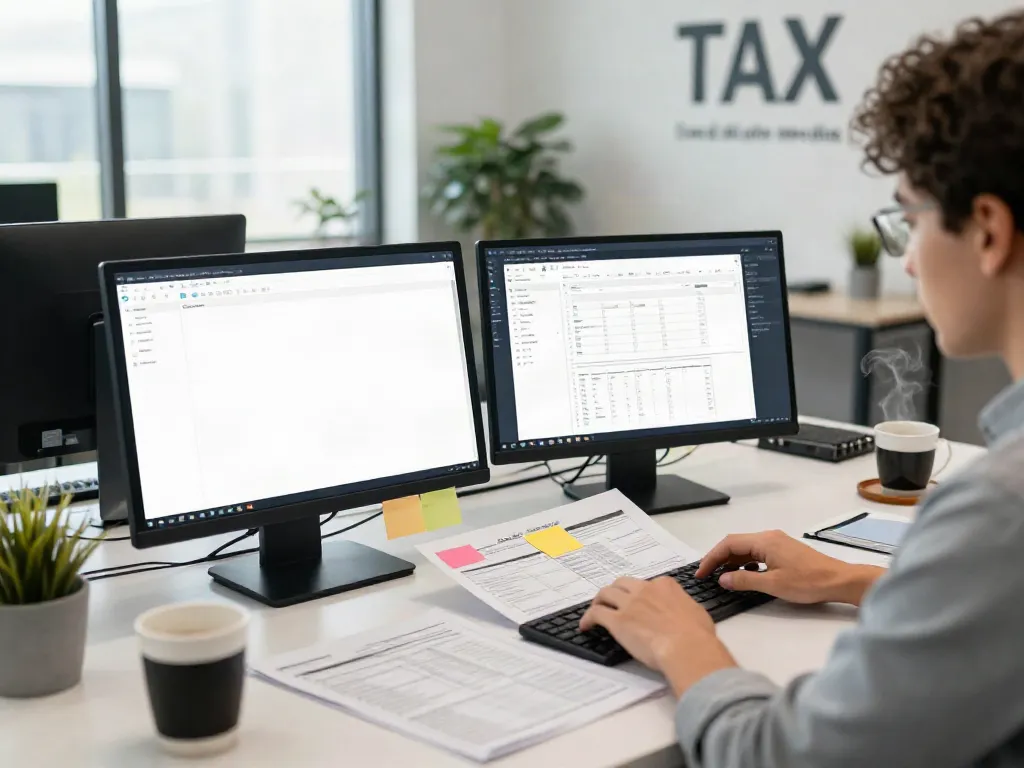
Understanding Multi-Location Tax Software Needs
As tax businesses grow, managing operations across multiple locations becomes increasingly complex. Understanding the specific needs of these operations is crucial for efficiency and compliance. Tax software for multiple locations provides a streamlined solution, enabling tax preparers to manage client data and reporting requirements seamlessly across jurisdictions. Such software is designed to address the unique challenges faced by businesses with multiple offices, ensuring that all locations can operate cohesively and comply with varying regional regulations.
What is Multi-Location Tax Software?
Multi-location tax software refers to specialized solutions that facilitate tax preparation and management for firms operating in more than one geographic area. This type of software offers capabilities that help tax preparers handle the complexities of varying tax laws and regulations, client data management, and reporting requirements across different regions. Such software typically integrates features that assist with multi-state filings, client communication, and comprehensive reporting functionalities tailored to multi-office operations.
Benefits of Using Tax Software for Multiple Locations
- Streamlined Operations: By utilizing tax software designed for multiple locations, tax businesses can centralize their operations. This leads to better coordination, reduced duplication of efforts, and improved efficiency across all locations.
- Enhanced Compliance: Keeping up with local tax laws can be arduous for businesses operating across states. Multi-location tax software includes features that help ensure compliance with various tax regulations, reducing the risk of errors and penalties.
- Improved Client Service: With robust data management capabilities, tax preparers can provide faster and more accurate service, enhancing client satisfaction and retention.
- Scalability: As tax businesses expand, they can easily add new locations or modify existing setups within their tax software, allowing them to grow without significant additional costs.
Key Features Required by Tax Preparers
When selecting tax software for multiple locations, tax preparers should consider the following essential features for their operations:
- Multi-State Filing Capabilities: The software should support filings not just for the primary location but for all states where clients reside or have income streams. This includes features for managing state-specific forms and calculations.
- Client Management Tools: A robust client relationship management (CRM) system integrated within the software can help track clients across locations, manage communications, and store essential documents securely.
- Reporting and Analytics: The ability to generate customizable reports that provide insights into individual office performance, revenue trends, and client demographics is crucial for informed decision-making.
- E-Signature and Document Storage: Facilitating a paperless operation through digital document signing and secure storage options enhances convenience and compliance for both clients and tax preparers.
Common Challenges in Multi-Location Tax Preparation
While adopting multi-location tax software offers numerous benefits, businesses still face unique challenges in this environment. Understanding these challenges is essential to fully leverage tax technology solutions.
Navigating State-Specific Regulations
Each state has its own tax regulations and filing requirements. For tax preparers managing several offices spread across different states, this leads to complexities in ensuring compliance. Multi-location tax software must provide ongoing updates regarding regulatory changes and offer features that accommodate varying requirements to help tax preparers navigate these challenges efficiently.
Managing Client Data Across Multiple Offices
Data management can become cumbersome when preparing taxes for clients from various locations. Ensuring that all client data is updated, securely stored, and accessible to authorized personnel across different offices is imperative. Utilizing cloud-based tax software can mitigate these issues by providing real-time access and synchronization of client data.
Ensuring Compliance and Accuracy
Maintaining compliance while ensuring the accuracy of tax filings is vital to avoid penalties and audits. Tax preparers must rely on their software to integrate automatic checks for potential errors as well as ensure compliance with each state’s tax laws. Furthermore, continuous training for staff on the software’s features is essential to leverage it fully for accurate tax preparation.
Best Practices for Implementing Tax Software
Implementing tax software across multiple locations requires careful planning and execution. Below are best practices to help ensure a successful transition and ongoing utilization of the software.
Choosing the Right Software for Your Business
The first step is to evaluate the different software options available. Consider factors like the software’s compatibility with your existing systems, user-friendliness, and the specific features that meet your business needs. A software provider that understands the challenges of multi-location tax businesses and can offer tailored solutions is ideal.
Customizing Software to Fit Your Needs
Once the software is chosen, customization is key. Tailor the software to reflect your branding, workflow requirements, and specific reporting needs. This customization can include adding your company logo, establishing user roles and permissions, and configuring client intake forms to match your office’s requirements.
Training and Support for Your Team
Investing in robust training programs for your team will ensure they fully understand how to leverage the features of the software. Offering ongoing support and resources can help ease any transition challenges and instill confidence among team members when using new technology.
Real-World Case Studies of Successful Implementation
To illustrate the practical benefits of implementing multi-location tax software, consider the following case studies that demonstrate successful strategies and outcomes.
Case Study: A Tax Business Expanding to Multiple Locations
A tax preparation firm that originally operated out of a single office decided to expand into several neighboring states. By selecting comprehensive tax software for multiple locations, they were able to streamline operations across all offices, ensuring compliance with varied state regulations. The software's multi-state filing capabilities and client management tools allowed them to handle an increased client load without a significant increase in staff.
Lessons Learned from Software Transition
The firm learned that involving employees at all levels in the selection and training phases significantly increased buy-in and minimized resistance to new systems. Moreover, they discovered that regular check-ins on software usage and performance were essential to identify areas for improvement and ensure that the software was being used effectively across all locations.
Impact on Revenue and Client Satisfaction
Following the implementation of multi-location tax software, the firm saw a notable increase in revenue attributed to improved client service and efficiency. By reducing filing errors and expediting client communication, they were able to enhance overall client satisfaction. This new software also facilitated the firm’s ability to scale quickly, accommodating new clients as they entered different markets.
Future Trends in Tax Software for Multiple Locations
The landscape for tax software is continually evolving, especially as technology advances. Staying ahead of these trends will be crucial for tax businesses operating multiple locations.
AI and Automation in Tax Preparation
Artificial intelligence is poised to play a significant role in tax preparation, simplifying the data entry process, enhancing accuracy, and offering personalized client recommendations. Future tax software solutions will likely incorporate AI to automate repetitive tasks, allowing tax preparers to focus more on client relationships and complex tax strategies.
Integration with Financial Planning Tools
As clients seek comprehensive financial solutions, tax software will increasingly integrate with financial planning tools. This trend will enable tax professionals to offer curated advice that encompasses tax planning alongside overall financial health—providing additional value to clients and setting firms apart in a competitive market.
The Role of Mobile Applications in Tax Services
Mobile applications are expected to become a crucial aspect of tax services, enabling clients to easily submit documents, communicate with preparers, and track the status of their returns at any time. Software solutions that offer fully integrated mobile applications will likely see higher adoption rates among tech-savvy clients.
How Will Changes in Regulations Affect Software Development?
In 2026, regulatory changes will demand ongoing updates to tax software to remain compliant with evolving tax laws. Software providers will need to prioritize scalability and adaptability in their offerings to ensure that businesses can maintain compliance regardless of location.
What Support Options Will Evolve for Tax Software Users?
As tax preparation becomes more complex, the need for robust support options will become paramount. Future software solutions will likely evolve to include extensive training resources, live support, and user forums to foster a community around the software and enhance user experience.