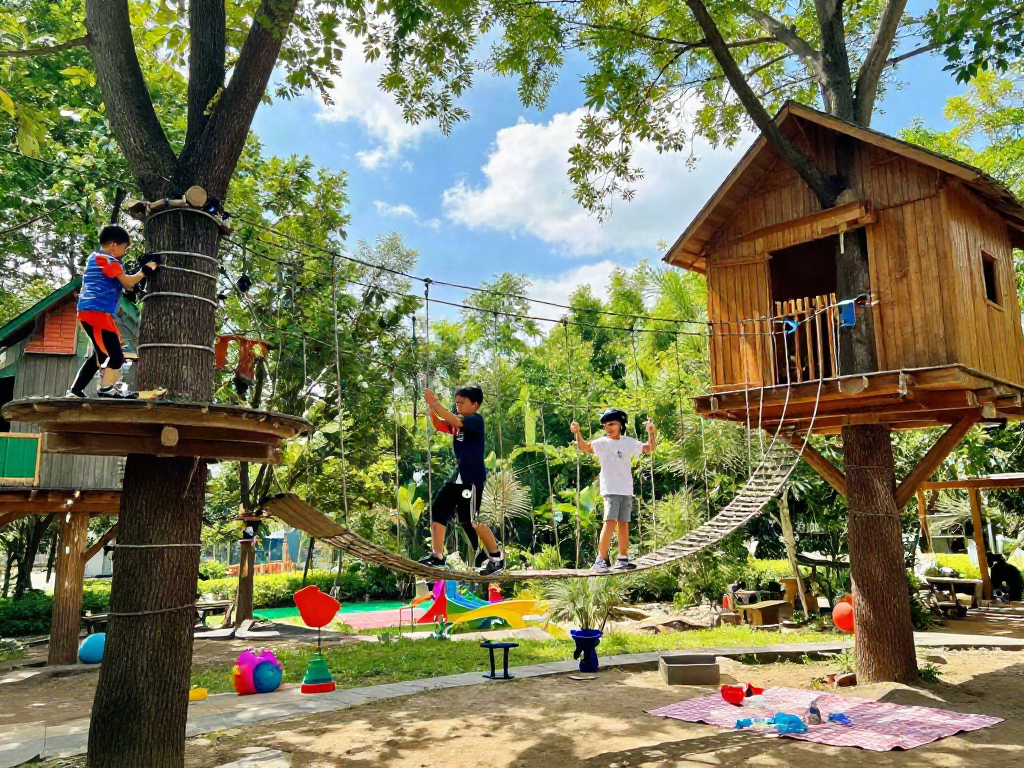
Understanding the Rope Bridge Concept
Rope bridges have captured the imagination of adventurers and builders alike, representing a unique blend of engineering ingenuity and outdoor exploration. These structures, primarily made from ropes and often suspended between trees or over water, provide a thrilling way to traverse otherwise inaccessible areas. As we delve deeper into the concept of rope bridges, we will explore their definition, historical significance, types, and applications, making them ideal for both recreational and practical use. When exploring options, Rope Bridge designs offer comprehensive insights into building and enjoying these exciting structures.
What is a Rope Bridge?
A rope bridge is a type of structure designed for foot traffic, made primarily of ropes and, sometimes, additional materials such as wooden planks or cables. The main characteristic of a rope bridge is its suspension; these bridges rely on tension and flexibility to support weight, creating a thrilling experience for users. With origins that can be traced back to ancient civilizations, modern interpretations of rope bridges are often used in parks, adventure courses, and backyard tree houses.
The History and Evolution of Rope Bridges
Rope bridges have a rich history, dating back thousands of years. The earliest recorded instances of rope bridges can be traced to the Inca civilization, which skillfully constructed them to navigate the rugged terrains of the Andes mountains. These bridges were vital for trade and transportation, made from high-strength natural fibers that could withstand the harsh environmental conditions.
As time progressed, advancements in materials and construction techniques transformed rope bridges into the durable designs we see today. Modern rope bridges often utilise synthetic fibres, which offer enhanced strength and resistance to weathering. This evolution has allowed for their use in various contexts, from playgrounds to emergency situations where quick access is required.
Types of Rope Bridges for Different Uses
Rope bridges can be classified into several types, each serving different purposes and environments. Here are some of the most common types:
- Suspension Rope Bridges: Characterised by their reliance on tension from cables suspended between anchor points, these bridges can span long distances and are often used in outdoor recreational areas.
- Single Rope Bridges: These consist of a single rope for crossing and are commonly used in military training and adventure courses.
- Treehouse Rope Bridges: Designed to connect treehouses or platforms in a playful environment, these bridges are usually built to accommodate children and promote imaginative play.
- Emergency Rope Bridges: Quickly deployable and lightweight, these bridges serve important functions in rescue operations and challenging terrains.
Designing and Building Your Own Rope Bridge
Creating your own rope bridge can be an exciting project that combines creativity with practical skills. However, it's vital to follow proper guidelines to ensure safety and durability. Here, we present essential materials, a step-by-step guide, and common mistakes to avoid when embarking on this venture.
Essential Materials Needed for Construction
When constructing a rope bridge, having the right materials is crucial. Here is a list of essential items you will need:
- High-Strength Rope: Choose polyester or nylon ropes that can withstand significant weight and weather conditions.
- Wooden Planks or Decking: If desired, you can add wooden planks for stability and safety.
- Anchor Points: Secure anchor points (e.g., trees or posts) are necessary to ensure the bridge is firmly held in place.
- Carabiners and Clamps: These accessories help secure connections and manage tension in the ropes.
- Safety Gear: Helmets and harnesses are recommended during the construction and testing phases.
Step-by-Step Guide to Building a Safe Rope Bridge
To build a safe and functional rope bridge, follow these steps:
- Planning: Determine the location and dimensions of your bridge. Assess the distance between anchor points and decide on the design.
- Selecting Materials: Gather all the necessary materials as listed above and confirm their quality and strength.
- Setting Up Anchor Points: Securely install your anchor points at both ends of the bridge, ensuring they can bear the weight.
- Rope Configuration: Begin laying out the ropes, attaching them to the anchor points. Ensure that they are at a suitable height and tension.
- Adding Stability: If using wooden planks, attach them horizontally across the ropes for added stability. Ensure all connections are secure.
- Testing: Before allowing anyone to cross, test the bridge with weight to ensure its safety.
Common Design Mistakes to Avoid
Even seasoned builders can make mistakes when creating a rope bridge. Here are some common pitfalls to watch out for:
- Insufficient Anchor Points: Ensure that your anchor points are robust and securely installed.
- Poor Material Choices: Always opt for high-quality, durable materials; lower quality can lead to structural failure.
- Lack of Testing: Failing to thoroughly test the bridge before use can lead to accidents; always test with weight before allowing use.
- Ignoring Safety Guidelines: Adhere to safety protocols throughout the design and building process.
Safety Considerations When Using Rope Bridges
Safety should always be a top priority when it comes to rope bridges. From ensuring proper supervision to having the right safety equipment, let's explore essential guidelines to foster a secure environment.
Key Safety Equipment for Rope Bridges
Equipping your rope bridge area with proper safety gear is crucial. Key equipment includes:
- Helmets: Protect the head from potential falls.
- Harnesses: Use harnesses for children or those testing the bridge, particularly during initial trials.
- Guard Rails: If possible, adding guard rails can provide an extra layer of safety.
Guidelines for Safe Play and Supervision
When children or groups are using the rope bridge, supervision and guidance are essential. Here are some safety guidelines:
- Supervise at All Times: Always have an adult present to oversee usage.
- Set Age-Appropriate Rules: Ensure that the bridge is only used by those who can navigate it safely.
- Limit Weight Capacity: Clearly define and communicate the weight limit to all users.
First Aid Tips for Rope Bridge Accidents
Even with the best safety measures, accidents can happen. Being prepared is key. Here are some first aid tips to keep in mind:
- Keep a First Aid Kit Handy: Always have a well-stocked first aid kit accessible.
- Know Basic First Aid: Familiarise yourself with basic first aid techniques, including treating cuts, sprains, and falls.
- Stay Calm: Ensure you maintain a calm demeanor to help reassure injured individuals.
Engaging Activities on a Rope Bridge
A rope bridge can be more than just a crossing point; it can serve as a hub for exciting activities and learning opportunities. Let's explore some creative ways to engage with this unique structure.
Creative Games and Challenges for Kids
Rope bridges can be transformed into playgrounds for the imagination. Here are some fun activities:
- Obstacle Courses: Set up different challenges that involve crossing the bridge as part of a larger obstacle course.
- Team-Building Exercises: Encourage teamwork through group challenges that require cooperation to navigate the bridge.
- Scavenger Hunts: Create themed scavenger hunts that guide participants to different areas accessible via the bridge.
Crossover Activities with Other Outdoor Features
Integrating the rope bridge with other outdoor features can enhance the overall experience:
- Zip Lines: Connect a zip line to the rope bridge for thrilling rides.
- Nature Trails: Use the bridge to connect with established nature trails, encouraging exploration of the environment.
- Parks and Picnic Areas: Situate the bridge near picnic spots to offer families a fun place to relax after playing.
Incorporating Nature and Learning into Play
The rope bridge can be a gateway to understanding nature. Here are ways to incorporate educational elements:
- Nature Observation Stations: Set up areas near the bridge for children to observe wildlife and learn about their habitats.
- Educational Workshops: Host workshops on local ecology, using the bridge as an experiential learning platform.
- Seasonal Activities: Engage children with seasonal themes related to different ecosystems, fostering a love for the environment.
Future Trends in Rope Bridge Designs and Usage
The future of rope bridges looks promising, with evolving designs and innovative materials paving the way for new possibilities. This section explores what's on the horizon.
Innovative Materials and Sustainability Practices
As environmental awareness grows, builders are increasingly seeking sustainable materials for rope bridges. Some trends include:
- Recycled Materials: Using recycled ropes and eco-friendly materials can significantly reduce the environmental impact of bridge construction.
- Biodegradable Options: Research into biodegradable materials for ropes and supports is underway, offering a greener solution for temporary structures.
Integrating Technology in Outdoor Play Spaces
The integration of technology into outdoor play areas, including rope bridges, is becoming more common, with innovations like:
- Interactive Elements: Incorporating augmented reality experiences that educate users about the environment as they cross the bridge.
- Sensors for Safety: Using technology to monitor the condition of the bridge and ensure safety compliance.
Building Community Spaces Around Rope Bridges
Rope bridges can serve as central features in community spaces, promoting interaction and connectivity:
- Community Events: Organising events that involve local artists and builders to enhance and decorate the rope bridge area.
- Public Parks Development: Incorporating rope bridges into public parks can create exciting new recreational options for families.
What is a rope bridge?
A rope bridge is a structure primarily made of ropes that provide a thrilling means of crossing between two points, often suspended and requiring skill and balance.
How do you make a rope bridge?
Building a rope bridge involves careful planning, selecting strong materials, and setting secure anchor points before setting up the ropes and testing the structure for stability.
What type of rope is best for a rope bridge?
For constructing a rope bridge, high-strength polyester or nylon ropes are recommended, given their durability and resistance to the elements.
Can adults use rope bridges safely?
Yes, adults can use rope bridges safely, provided that the structure is designed to support their weight and that proper safety measures are in place.
Where can you find rope bridge kits?
Rope bridge kits can often be found online, from specialty outdoor suppliers, or at local hardware stores, offering pre-packaged materials for easy assembly.