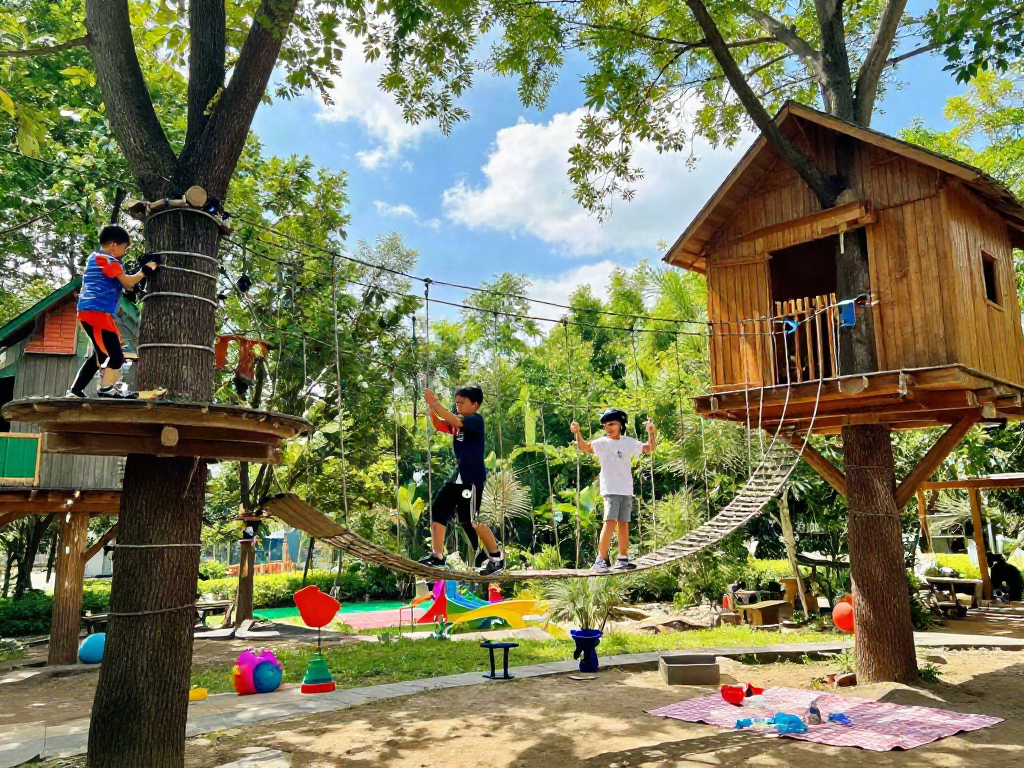
Understanding the Concept of Rope Bridges
Rope bridges, a fascinating blend of engineering and adventure, have captured the imagination of outdoor enthusiasts and children alike. These bridges, typically constructed of thick, durable ropes, provide a unique means of crossing from one platform to another, whether across a backyard gap or a natural chasm. They are not just functional pieces of equipment; they can transform a simple garden into a vibrant playground, promoting physical activity and imaginative play. When exploring options, Rope Bridge designs cater to various needs, ensuring safety and fun for all ages.
What is a Rope Bridge?
A rope bridge is a type of suspension bridge that is constructed using ropes and often wood to create a pathway that can be used to cross obstacles such as water bodies, ravines, or gaps between trees. Their unique construction allows for flexibility, making them ideal for temporary setups, adventurous hikes, or permanent installations in treehouses and playgrounds. Rope bridges can vary in complexity from simple designs suitable for children to more robust structures used for serious adventuring.
Types of Rope Bridges for Backyard Adventures
- Simple Rope Bridges: These are the most basic structures, often made from two parallel ropes with a deck of wooden slats. They offer a straightforward way for children to learn balance and coordination.
- Suspension Rope Bridges: More complex, these bridges use a series of ropes to create a suspended platform that swings slightly under weight, providing a thrilling experience for adventurous kids.
- Crossing Platforms: Some designs integrate platforms at either end, allowing for child-friendly access and making them particularly useful in treehouse settings.
- Adventure Course Bridges: Incorporating features like obstacles and varying heights, these bridges can be part of a larger playground setup, encouraging physical challenge and teamwork among children.
Benefits of Rope Bridges for Child Development
Beyond mere fun, rope bridges offer a range of developmental benefits for children. These structures encourage motor skills and social interaction, making them a fantastic addition to any play area.
Enhancing Physical Skills through Play
When children navigate a rope bridge, they improve their balance, coordination, and strength. Climbing, swinging, and managing their body weight as they traverse these structures helps develop essential physical skills. The dynamic movement required to cross a rope bridge can enhance core stability and agility, which are crucial for overall physical development.
Building Confidence and Independence
Successfully traversing a rope bridge can instil a sense of achievement in children. Each crossing builds their confidence and encourages them to take on more challenging play experiences. This sense of accomplishment fosters independence as they learn to assess risks and manage their own safety while engaging in active play.
Encouraging Social Interactions among Children
Rope bridges often become gathering spots for children, fostering social interaction and teamwork. As they take turns navigating the bridge or working together to create obstacle courses, children develop communication skills and learn the value of cooperation. These experiences can also help improve their ability to resolve conflicts, as they negotiate play strategies with peers.
Choosing the Right Rope Bridge for Your Space
When selecting a rope bridge for your backyard, several factors come into play to ensure the best fit for safety and fun.
Factors to Consider When Selecting a Rope Bridge
- Age Appropriateness: Ensure the bridge is suitable for your child's age. Some designs are better suited for younger children, while others cater to older kids seeking more adventure.
- Weight Capacity: Always check the weight restrictions for any rope bridge to ensure it can safely support your children as well as potential adult supervision.
- Space Requirements: Measure the area where you plan to install the rope bridge, allowing enough clearance for safe access and use.
- Material Quality: Look for bridges constructed with weather-resistant materials to ensure durability, especially if they are exposed to the elements.
Comparing DIY Options vs. Pre-made Kits
Deciding between building a DIY rope bridge or purchasing a pre-made kit depends on your skills, budget, and time. DIY options can be cost-effective and allow for customization, but they require tools and craftsmanship. Conversely, pre-made kits often come with safety certifications and are designed for easy assembly, making them suitable for those less experienced with construction.
Space Requirements and Installation Guidelines
The installation area for a rope bridge should be level and clear of obstacles. Make sure there is adequate space on either side to enable easy entry and exit for kids. A recommended height for installation is about 1.2 to 1.5 metres above ground to prevent injury during falls. Further, ensure the area beneath the bridge is soft, maybe with mulch or grass, to cushion falls.
Maintaining Your Rope Bridge for Longevity
Maintaining your rope bridge is crucial for ensuring safety and extending its life. Regular care can prevent wear and tear that could lead to accidents.
Regular Safety Checks and Inspections
Conduct safety inspections regularly, especially if weather conditions have been extreme. Check for fraying ropes, loose fittings, or any signs of structural weakness. Ensuring all components are secure can prevent potential accidents.
Cleaning and Preserving Materials Used
Regular cleaning of the ropes and wooden parts of the bridge will help remove dirt and debris that can cause deterioration. Use mild soap and water to clean the surface, and allow it to dry completely to prevent mould and rot.
Seasonal Maintenance Tips for Outdoor Equipment
Before winter or heavy rain, consider removing any fabric elements or cushions to prevent mould growth. In spring, inspect all components closely, replacing any that show signs of damage due to harsh weather. Regular upkeep ensures the longevity and safety of your rope bridge for years to come.
Future Trends in Rope Bridge Designs
As outdoor play continues to evolve, so do the designs of rope bridges to include innovative features and sustainable practices, making them even more appealing for families.
Innovative Features to Look Out for in 2026
Future designs are expected to incorporate more safety features, such as non-slip surfaces and padded edges, along with aesthetic enhancements like colour options to blend seamlessly into natural environments. Technology may also play a role, with potential inclusion of interactive elements that capture children's imaginations.
Eco-friendly Materials and Sustainable Practices
With growing environmental consciousness, manufacturers are shifting towards eco-friendly materials for rope bridges. Look for options made from recycled materials that maintain durability while being safe for the planet.
Incorporating Technology into Play Equipment
As technology permeates every aspect of life, the future may see the integration of technology into rope bridge designs. Features like sensors that track children's progress or games that sync with the bridge for a more immersive experience could revolutionise outdoor play.
What types of rope bridges are best for kids?
For children, simple rope bridges with safety rails and stable platforms are the best options. They should be designed specifically for their weight and age to ensure safety during play.
How do I build a safe rope bridge?
To build a safe rope bridge, ensure you use high-quality materials, secure all components tightly, and regularly check the structure for wear and tear.
What materials are recommended for DIY rope bridges?
When constructing a DIY rope bridge, use strong, weather-resistant ropes such as polyester or nylon, along with sturdy wooden planks that can withstand outdoor conditions.
Are rope bridges safe for younger children?
Yes, provided they are designed with safety features like low height, stability, and handrails, rope bridges can be safe for younger children.
How can rope bridges enhance child play areas?
Rope bridges introduce elements of challenge and exploration, encouraging children to engage in physical activity while developing motor skills and social interactions during playtime.